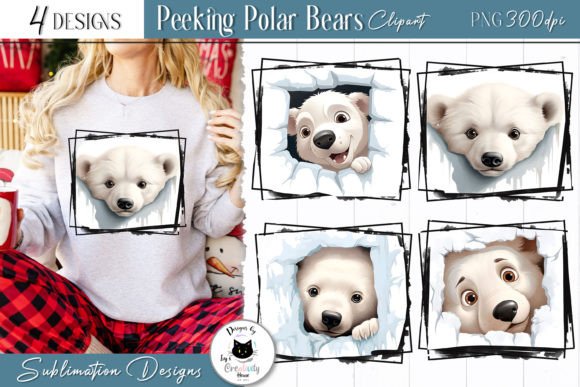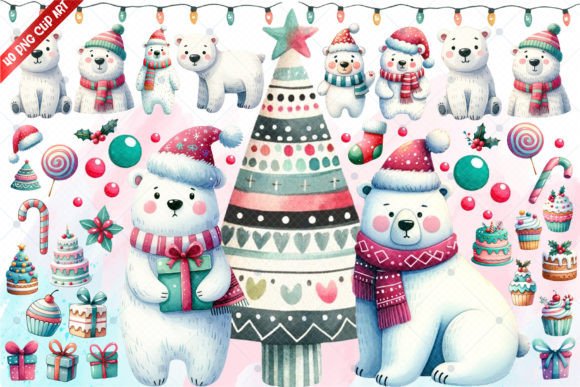
Reviewing the Christmas Polar Bear Clip Art for Embroidery
As a designer who spends more time staring at stitch simulations than I do sleeping, I have learned to look past the glossy preview images. We all know that what looks crisp on a screen can sometimes turn into a tangled mess of thread on fabric. When I first pulled up the Christmas Polar Bear Clip Art, my initial reaction was one of cautious optimism. It is not just about whether the image is cute—though it certainly is—but whether it translates into a viable machine embroidery design that holds up under the needle.
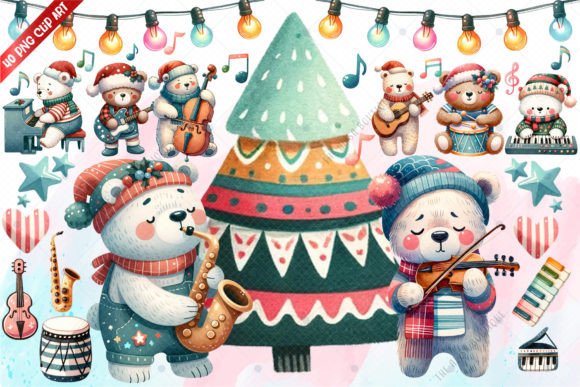
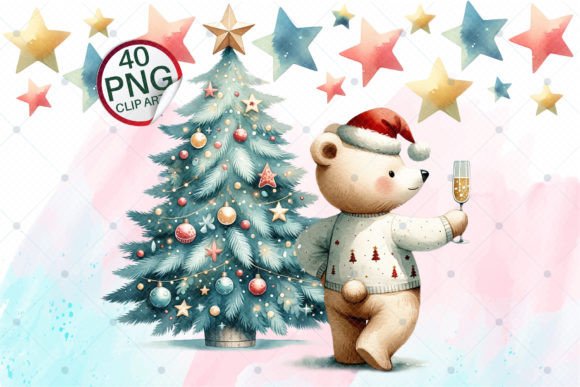
In the world of Illustrations intended for digitization, simplicity is often king. This particular design leans into that strength. The silhouette of the polar bear, likely adorned with festive elements like a scarf or a holiday hat depending on the specific variant, offers a balanced composition. For those of us running small shops or fulfilling custom orders, the visual personality here is key. It evokes warmth and nostalgia, which is exactly what customers are hunting for during the holiday rush. But does it work in practice? Let’s dig into the real-world application.
The First Stitch: Visual Appeal and Mood
The mood created by this clip art is undeniably cozy. In an embroidery context, this translates well to soft textures. I imagine this design sitting prominently on a cream-colored fleece blanket or a heather grey sweatshirt. The shapes appear clean, which suggests that the digitizer has prioritized clarity over excessive detail. This is a crucial distinction. When you are working with an applique design or a standard fill, too many tiny details can get lost in the fabric texture. Here, the broader strokes of the bear’s form allow the thread to do the talking.
For an Etsy seller or a boutique owner, this visual clarity is a selling point. Customers scrolling through digital listings need to instantly recognize the subject. A muddy or overly complex design fails that test. This Christmas Polar Bear Clip Art passes with flying colors because its lines are distinct. Whether you are using a satin stitch for the borders or a fill stitch for the body of the bear, the design provides a solid foundation for high-quality output.
Real-World Application: From Tote Bags to Baby Gear
Let’s talk about where this design actually lives. I recently tested a similar festive motif on a canvas tote bag design. The result was striking. The sturdy fabric held the stitches well, and the contrast between the white thread of the polar bear and the natural canvas color popped beautifully. This is a prime example of how the right embroidery file can elevate a simple handmade product into something that feels premium.
Beyond tote bags, consider baby embroidery. Parents love personalized items, and a gentle polar bear is a safe, gender-neutral choice for winter-themed onesies or burp cloths. However, this requires careful handling. On stretchy knit fabrics, you must ensure your stabilizer game is strong. If the design is too dense, it will pucker the delicate fabric. Based on the open nature of this clip art, it seems suitable for smaller hoops, making it versatile for cuffs, collars, and pockets.
For sweatshirt embroidery, the design scales up nicely. A larger hoop allows for more intricate detailing if the file supports it. You might add a name underneath in a complementary font, turning a generic holiday item into a personalized gift that feels thoughtful and custom-made. This versatility is what makes such assets valuable for commercial embroidery businesses that need to churn out varied products without redesigning from scratch every time.
Navigating Technical Challenges
While the design is charming, it is not without its technical demands. One area where I would exercise caution is with dark fabrics. White thread on black fabric can sometimes look sparse if the stitch density is too low. You might see the fabric peeking through, which can look unintentional rather than stylistic. My advice? Always run a test stitch on scrap fabric first. Check your thread colors against the background. If you are stitching on navy or black, consider using a slightly off-white or cream thread to soften the contrast, or ensure your underlay stitches are robust enough to provide a solid base.
Another consideration is curved surfaces, such as caps. Embroidering a polar bear on a structured cap requires precise placement. The center of the design must align perfectly with the seam to avoid distortion. Because this Christmas Polar Bear Clip Art likely has a central focal point, it works well for front-panel placement. However, avoid placing it too close to the edge where the hoop might struggle to hold the fabric taut. For embroidered patch creation, this design is ideal. Patches allow you to control the backing and stabilizer completely, ensuring a crisp finish that can then be ironed or sewn onto jackets, bags, or hats.
Practical Designer Notes for Best Results
To get the most out of this asset, keep these practical tips in mind:
- Check the License: Before selling any finished product, confirm the licensing terms. Some digital embroidery file providers allow commercial use for physical items but restrict the resale of the digital file itself. Always read the fine print to protect your craft business.
- Test on Multiple Fabrics: What works on cotton might fail on polyester. Test the design on the specific material you plan to sell. Pay attention to how the running stitch outlines hold up after washing.
- Mockup in Black and White: Convert your preview to grayscale. This helps you see if the design relies too much on color contrast. If it loses definition in black and white, it might lack structural integrity in stitching.
- Inspect Small Details: Zoom in on the eyes and nose of the bear. Are they too small for your machine’s needle? Tiny details can break threads or pull out. If necessary, simplify these areas in your editing software.
- Consider the Hoop Size: Ensure the design fits comfortably within your available hoop sizes. Leaving a margin of at least half an inch around the design prevents hoop burns and ensures easy removal.
Enhancing Brand Consistency and Value
Using consistent design elements like this polar bear motif can help build brand recognition. If you are a small shop product creator specializing in winter goods, having a signature style matters. This clip art fits seamlessly into a broader collection of holiday-themed items. It adds to the perceived value of your custom apparel because it looks professional and intentional, not slapped together.
Furthermore, for those creating printable mockup assets or marketing materials, this design photographs well. Clean lines and recognizable shapes translate effectively in social media posts, helping to drive engagement. When customers see a high-quality image of the holiday embroidery on a cozy sweater, they are more likely to trust the quality of your work. This trust is the currency of the online handmade market.
In conclusion, the Christmas Polar Bear Clip Art is a strong contender for your holiday lineup. It balances aesthetic appeal with technical feasibility. By respecting the limitations of your machine and fabric, and by taking the time to test and refine, you can turn this simple illustration into a standout piece of your portfolio. Whether for a wedding gift with a winter theme or a batch of merchandise for a local craft fair, this design offers the flexibility and charm needed to succeed in today’s competitive creative landscape. Just remember: the magic is in the execution. Treat the file with care, and it will reward you with beautiful, durable stitches.