Reviewing Watercolor Christmas Crest Clipart for Embroidery
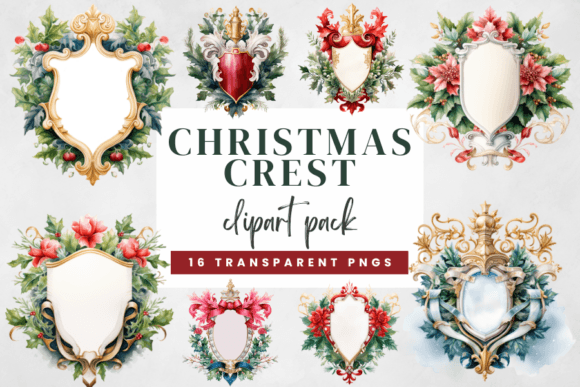
As a designer who spends more time staring at stitch simulations than I do sleeping, I have learned that not every pretty image translates well to thread. We often get swept up in the aesthetic of digital Illustrations, forgetting that embroidery is a tactile, structural medium. When I first pulled up the Watercolor Christmas Crest Clipart, my initial reaction was one of cautious optimism. The soft, blended edges typical of watercolor art are notoriously difficult to replicate with thread, which relies on hard lines and defined color blocks. However, after reviewing the layout and considering its potential application in real-world projects, I see a clear path for this design to succeed—if handled with the right technical approach.
The First Impression: Mood and Layout
The immediate appeal of the Watercolor Christmas Crest Clipart lies in its nostalgic warmth. It does not scream for attention with neon brightness; instead, it invites the viewer in with a gentle, holiday spirit. For embroidery designers, the layout is crucial. This crest style typically offers a balanced composition, which is essential for maintaining stability during stitching. If the design were too lopsided, it would pull on the fabric, causing puckering—a nightmare for any handmade product.
The visual personality here is classic yet soft. It feels appropriate for high-end boutique items rather than mass-produced novelty goods. This distinction matters because it dictates where you should use it. You would not put this on a cheap, thin polyester cap where the detail would get lost. Instead, it begs for substantial fabrics like heavy cotton twill, linen, or fleece, where the texture of the thread can complement the softness of the watercolor aesthetic.
Real-World Application: From Screen to Stitch
Let’s talk about a specific scenario. Imagine you are preparing a custom order for a local boutique looking to update their holiday inventory. They want a tote bag design that feels artisanal and giftable. The Watercolor Christmas Crest Clipart fits this brief perfectly. On a natural canvas tote, the organic feel of the watercolor style harmonizes with the raw texture of the fabric.
However, translating this into an embroidery file requires strategic thinking. Watercolor effects rely on gradients. In embroidery, we achieve this through thread blending or varying stitch angles. If you are digitizing this yourself or working with a pre-made machine embroidery design, you must ensure the transition between colors is smooth. A jagged transition will break the illusion of the watercolor wash. For a sweatshirt embroidery project, this design could serve as a left-chest logo, offering a subtle, sophisticated touch that appeals to adults who prefer understated holiday decor over loud, cartoonish graphics.
Consider also its use in baby embroidery. The soft edges and traditional crest motif make it ideal for heirloom-quality items like christening gowns or nursery blankets. Parents are increasingly looking for personalized gift options that feel timeless. This design, when stitched in pastel or muted traditional holiday tones, conveys a sense of care and quality that drives customer trust.
Technical Challenges and Fabric Considerations
While the aesthetic is strong, we must address the technical limitations. Watercolor styles often feature fine details and subtle shading. In embroidery, these can become muddy if the stitch density is too high. Dense stitching on a small scale can lead to perforation of the fabric, especially on lighter materials. Therefore, this design is not ideal for tiny hoop size applications unless it is significantly simplified.
If you are planning to use this on dark fabric, you face a contrast challenge. Watercolor art often uses light, translucent layers. On black or navy fabric, these details may vanish. You have two options: either use a white or light-colored underlay to boost visibility, which adds bulk, or choose a lighter fabric background. Always test your thread colors against the fabric. A printable mockup can help visualize the final look, but nothing replaces a physical test stitch on scrap fabric.
Curved surfaces present another hurdle. Applying a detailed crest to a cap or hat requires careful placement. The center of the crest must align with the highest point of the crown to avoid distortion. If the design includes any text within the crest, ensure the font size is large enough to remain legible after stitching. Tiny lettering in a watercolor style often turns into an unreadable blob of thread.
Enhancing Product Value and Brand Consistency
For Etsy sellers and craft business owners, the choice of design directly impacts perceived value. The Watercolor Christmas Crest Clipart elevates a simple item into a curated piece. When customers see a well-executed, artistic design on a kitchen towel or pillow cover, they perceive higher craftsmanship. This perception allows for better pricing power.
Consistency is key. If your brand focuses on rustic, handmade aesthetics, this design aligns perfectly. It works well as part of a cohesive holiday collection. You might pair it with simple running stitch borders or minimalistic satin stitch accents to frame the crest without overwhelming it. This balance ensures the design remains the focal point while maintaining structural integrity.
Moreover, using such distinctive design assets helps in building brand recognition. In a sea of generic snowflakes and Santas, a unique watercolor crest stands out. It signals to buyers that you offer something different, something thoughtful. This differentiation is crucial for small shop product lines competing in saturated markets.
Practical Designer Notes for Execution
Before you commit to production, here are my practical recommendations for working with this type of design:
- Stabilizer Selection: Use a cut-away stabilizer for stretchy fabrics like sweatshirts to prevent distortion over time. For woven fabrics like tote bags, a tear-away may suffice, but test first.
- Thread Choice: Matte threads, such as cotton or rayon, often capture the watercolor look better than high-sheen polyester. They absorb light similarly to paint on paper.
- Density Check: Review the fill stitch patterns. If the design feels too stiff after stitching, reduce the density in the digitizing software. Breathability and drape matter for wearable items.
- Commercial Licensing: Always confirm the license terms. If you are selling finished product items or using the design in commercial embroidery services, ensure you have the right to do so. Never assume a digital purchase includes commercial rights.
- Test Stitches: Run the design on the actual fabric you intend to use. Check for thread breaks, nesting, and color accuracy. Adjust tension if necessary.
In conclusion, the Watercolor Christmas Crest Clipart is a versatile and appealing choice for holiday projects, provided you respect the technical constraints of embroidery. It bridges the gap between digital art and tactile craft, offering a sophisticated option for custom apparel, home decor, and gifts. By paying attention to fabric choice, stabilizer support, and stitch density, you can transform this digital illustration into a stunning physical reality that delights customers and enhances your brand’s reputation for quality.