Review: Christmas Bear Retro Music Clip Art for Embroidery
As a designer who has spent countless hours digitizing and testing machine embroidery design files, I have learned that not every cute graphic translates well to thread. When I first pulled up the Christmas Bear Retro Music Clip Art, my initial reaction was one of cautious optimism. The retro aesthetic is trending heavily right now, especially in the holiday niche, but nostalgia often comes with complex lines and subtle shading that can get lost under a needle. I needed to know if this specific set of Illustrations would hold up on actual fabric or if it was destined to remain a digital-only asset.
First Impressions and Visual Personality
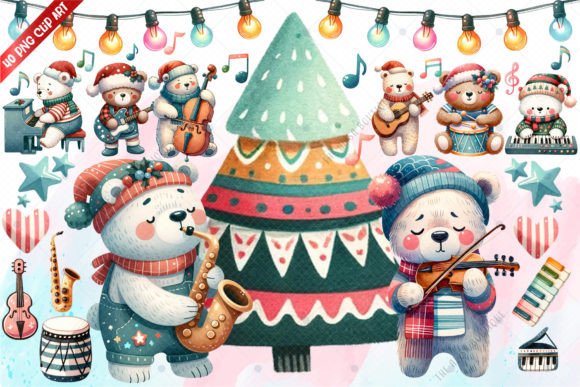
The mood of this design is immediately warm and nostalgic. It captures that specific late-90s, early-2000s vibe where holiday cheer met a laid-back, musical groove. For an embroidery project, this visual personality is a double-edged sword. On one hand, the whimsical nature of a bear engaging with music instruments or notes creates an instant emotional connection with the viewer. On the other hand, retro clip art often relies on thick outlines and flat colors, which is actually good news for stitchers. Thick lines usually translate well to satin stitch borders, providing clean definition without requiring excessive density.
I looked closely at the layout and detail level. The shapes are generally rounded and organic, which is ideal for embroidery because sharp, tiny corners often cause thread breaks or puckering. The visual weight feels balanced, suggesting that the original artist considered how these elements might be used in various compositions. This makes the embroidery file versatile for both standalone motifs and larger scene compositions.
Real-World Application: The Holiday Tote Bag Test
To truly evaluate the Christmas Bear Retro Music Clip Art, I imagined a real-life scenario: preparing a custom order for a local boutique owner who sells handmade holiday gifts. She wanted a run of canvas tote bags featuring festive, non-traditional holiday designs. This is a perfect use case. Canvas is sturdy, has a visible weave, and handles higher stitch density well.
In this context, the bear design works beautifully as a central focal point. I envisioned placing it slightly off-center on a natural-colored cotton canvas tote. The retro color palette—likely involving muted reds, forest greens, and cream—would pop against the neutral background. For a tote bag design, clarity is key. Customers browsing an Etsy seller’s shop need to recognize the image instantly in a thumbnail. The bold lines of this clip art ensure that the design remains legible even when viewed from a distance or shrunk down for social media previews.
Beyond totes, I see strong potential for sweatshirt embroidery. A crewneck sweatshirt in heather grey or oatmeal would provide a soft, textured backdrop that complements the cozy feel of the bear. Here, the design would likely need to be scaled up to fit a 5x7 or 6x10 hoop size, allowing the fill stitch areas to breathe and preventing the fabric from pulling too tightly.
Navigating Fabric and Technical Challenges
While the design is charming, practical application requires careful consideration of materials. Not every fabric will treat this digital embroidery file kindly. For instance, using this on thin, stretchy fabrics like lightweight jersey for baby embroidery projects requires caution. The weight of the thread, particularly if there are large solid areas, could cause the garment to warp or pucker around the edges of the bear.
If you are planning to use this on a curved surface, such as a cap or hat, you must assess the width of the design. Wide designs do not wrap well around the front panel of a baseball cap. In such cases, I would recommend isolating just the bear’s head or a smaller musical element from the clip art set, if available, rather than stitching the full horizontal layout. Additionally, dark fabrics present a challenge. If the design relies on light thread colors for highlights, you must ensure your digitizer has included proper underlay stitches or backing to prevent the dark fabric from showing through the lighter threads.
Another critical factor is the stabilizer. For a design with this level of character, I always recommend a cut-away stabilizer for garments that will be washed frequently, such as custom apparel or kitchen towels. Tear-away stabilizers might leave residue in the dense areas of the bear’s fur or the musical notes, compromising the professional finish of the finished product.
Commercial Value and Brand Consistency
For craft business owners and small shop product creators, the choice of design directly impacts perceived value. The Christmas Bear Retro Music Clip Art offers a distinct advantage: it avoids the generic look of mass-produced holiday decor. Using unique, retro-inspired design assets helps build brand consistency. If your brand voice is playful, nostalgic, and handmade, this design aligns perfectly.
Customer trust is built on quality. A clean stitch-out with no thread breaks or loose ends signals professionalism. Because this design features clear shapes, it is easier to achieve a high-quality result consistently. This reliability is crucial for commercial embroidery where you might be producing dozens of units. A design that is difficult to stitch increases production time and waste, eating into your profit margins.
Furthermore, this design enhances giftability. An embroidered patch featuring this bear could be sold as a standalone item or used to embellish denim jackets and backpacks. Patches are low-risk items for customers to try, and they serve as excellent marketing tools when worn in public. The retro music theme appeals to a broad demographic, from parents buying personalized gift items for their children to young adults looking for unique holiday embroidery decor for their apartments.
Practical Designer Notes for Best Results
Before committing to a large production run or listing this as a new product, follow these practical steps to ensure success:
- Test on Scrap Fabric: Always stitch a sample on the exact fabric type you intend to use. Check for puckering and thread tension issues.
- Check Thread Color Contrast: View your design in black and white mockups. If the details disappear in grayscale, you may need to adjust thread choices to ensure better definition.
- Review Stitch Density: If the design feels stiff after stitching, the density may be too high for lightweight fabrics. Consider requesting a lighter density version if possible.
- Confirm Hoop Size: Ensure the design fits comfortably within your machine’s hoop, leaving at least an inch of margin on all sides.
- Inspect Small Details: Zoom in on the musical notes and facial features. Tiny details may need to be simplified or removed to prevent thread bunching.
- Verify Licensing: Before selling handmade product items featuring this design, confirm the license terms. Ensure you have commercial rights if you plan to sell physical goods or printable mockup images.
In conclusion, the Christmas Bear Retro Music Clip Art is a strong contender for holiday collections. It balances aesthetic appeal with technical feasibility, provided the user respects the limitations of their chosen fabric and hoop size. For the experienced maker, it offers a reliable path to creating standout embroidery project results that resonate with customers seeking warmth and nostalgia in their holiday purchases.