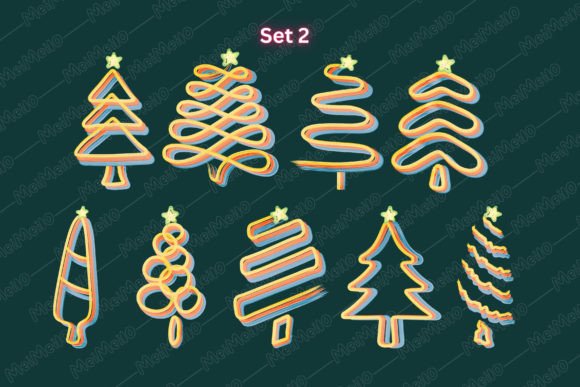
Watercolor Doodle Line Christmas Trees Illustrations
As a digital publisher who has spent over a decade refining the visual identity of high-traffic lifestyle blogs and affiliate sites, I have learned that the difference between a bounce and a conversion often comes down to split-second visual trust. When I first opened the file for Watercolor Doodle Line Christmas Trees, my immediate reaction was one of relief. In a market saturated with hyper-realistic stock photography and rigid vector icons, this asset strikes a delicate balance. It feels handcrafted yet polished, offering a warmth that sterile graphics simply cannot replicate. For bloggers and content creators preparing their Q4 editorial calendars, this collection is not just decoration; it is a strategic tool for enhancing reader engagement.
Setting the Editorial Mood and Reader Perception
The primary value of any graphic design asset lies in its ability to communicate tone before a single word is read. These Illustrations exude a mood that is simultaneously playful and sophisticated. The watercolor texture adds organic depth, while the doodle line work provides structure and clarity. This combination creates a "modern cozy" aesthetic that resonates deeply with audiences in the home decor, parenting, DIY, and gentle living niches.
When a reader lands on a page featuring these trees, they perceive the content as approachable and authentic. It signals that the brand behind the content values creativity and attention to detail. Unlike bold, corporate imagery that can feel distant, these designs invite the user in. They support a narrative of warmth and tradition, making them ideal for seasonal content that aims to connect on an emotional level. Whether you are writing about holiday traditions, gift guides, or winter recipes, the visual language here supports a narrative of comfort and joy.
Integrating Assets into Real Publishing Workflows
The versatility of Watercolor Doodle Line Christmas Trees becomes apparent when you map them against a typical content publishing workflow. As a designer, I look for assets that can serve multiple functions without losing integrity. Here is how I would deploy these illustrations across a real-world digital ecosystem:
- Blog Featured Images: Use the larger, more detailed tree illustrations as the focal point of your hero images. They provide enough visual weight to anchor the layout without overwhelming the headline text.
- Pinterest Graphics: Pinterest is a visual search engine where verticality and clarity rule. These doodles work exceptionally well on long-form pins. Their linear quality ensures they remain distinct even when scaled down to mobile thumbnail size, driving higher click-through rates.
- Newsletter Headers: Email marketing requires visuals that load quickly and look good in dark mode. The clean lines of these trees translate well into HTML email templates, adding a festive touch to your weekly digests without cluttering the message.
- Digital Products and Lead Magnets: If you are creating a digital guide, worksheet, or eBook cover, these elements add professional polish. They break up text-heavy pages and serve as decorative dividers, enhancing the perceived value of your printable design offerings.
- Social Media Graphics: For Instagram stories or Facebook posts, the doodle style allows for easy layering. You can place them behind text boxes or use them as corner accents to frame your promotional copy.
Enhancing Content Performance and Visual Hierarchy
From a content marketing perspective, consistency is key to building brand identity. Using a cohesive set of design assets like these helps establish a recognizable visual signature. When readers see this specific style of watercolor doodle, they begin to associate it with your brand’s voice. This recognition builds trust, which is the currency of affiliate marketing and digital product sales.
Furthermore, these illustrations aid in establishing clear visual hierarchy. In a busy blog post, the eye needs places to rest. The organic shapes of the trees guide the reader’s eye down the page, breaking up large blocks of text. This improves readability and keeps the user on the page longer, a metric that search engines favor. By integrating these trees into your web design, you are not just decorating; you are optimizing the user experience for better retention and conversion.
Strategic Placement and Design Constraints
While these assets are versatile, they are not a one-size-fits-all solution. Understanding where they work best—and where they should be used with caution—is crucial for maintaining professional standards.
Where they excel: These illustrations shine in hero sections, article thumbnails, and as accents in editorial layouts. They are particularly effective in Canva template designs where users can easily adjust opacity or layer colors. They also perform well in category visuals, helping to distinguish seasonal sections of your website from evergreen content.
Where to use caution: Avoid using these detailed doodles in very small mobile thumbnails where the line work might blur or disappear. They are also less suitable for serious professional niches such as legal advice, financial consulting, or corporate B2B content, where a minimal, stark aesthetic is often preferred. Additionally, be mindful of contrast. Placing light watercolor elements on a white background can sometimes result in poor visibility. Always test your website header graphics against your site’s background color to ensure accessibility and readability.
Practical Publisher Notes for Implementation
Before launching these assets into your live environment, I recommend a rigorous testing phase. As an experienced publisher, I always check how a graphic looks on both desktop and mobile screens. Preview the Watercolor Doodle Line Christmas Trees inside your actual blog layout, not just in isolation. Test them alongside your standard typography. Do they complement your serif headlines? Do they clash with your script fonts? Often, pairing these organic illustrations with a clean sans-serif font creates a balanced, modern look.
Performance is another critical factor. Large, high-resolution files can slow down your site, hurting your SEO rankings. Ensure you compress images properly for web use without sacrificing quality. If you are using these in a digital download or paid product, verify the commercial license terms. Most assets from reputable creative marketplace sources allow for use in monetized content, but it is essential to confirm this for small business branding and client work.
Finally, consider the longevity of your content. While these are seasonal Illustrations, their artistic style allows them to feel timeless rather than trendy. By choosing high-quality creative design elements, you invest in the long-term aesthetic health of your digital presence. Whether you are updating old posts for the holiday season or creating new social media graphics, these trees offer a reliable, elegant solution for elevating your visual communication.