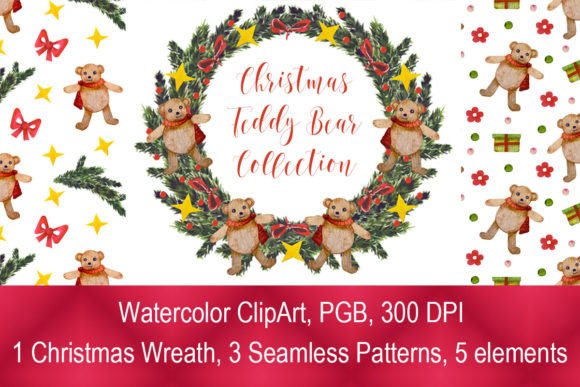
Christmas Teddy Bear Watercolor ClipArt & Illustrations
As a digital product creator who has spent years navigating the fluctuating tides of Etsy, Creative Fabrica, and print-on-demand platforms, I have learned that seasonal assets are only as valuable as their versatility. When I first downloaded the Christmas Teddy Bear Watercolor ClipArt, my immediate goal was not just to admire the art, but to stress-test it against the rigorous demands of commercial design. The holiday niche is saturated, so standing out requires more than just festive imagery; it requires assets that integrate seamlessly into high-converting products.
First Impressions and Visual Personality
The initial appeal of this graphic design asset lies in its soft, hand-painted aesthetic. Unlike vector-heavy, flat designs that can feel sterile, these watercolor illustrations carry a warmth that resonates with buyers looking for nostalgia and comfort. The mood is distinctly cozy and inviting, striking a balance between playful and elegant. This visual personality is crucial because it dictates the target audience. These images are not suited for edgy, modern streetwear brands, but they are perfect for the handmade business sector, nursery decor, and family-oriented greeting cards.
The color palette appears muted yet festive, relying on traditional reds, greens, and warm browns without being overly saturated. This subtlety is a significant advantage for small business branding. It allows the artwork to sit comfortably alongside various typography styles without clashing. For a seller, this means the asset feels premium rather than cheap or mass-produced, which directly influences perceived value in a crowded creative marketplace.
Real-World Product Applications
To determine the true utility of the Christmas Teddy Bear Watercolor ClipArt, I integrated it into several mock digital product lines. The results highlighted specific strengths across different categories.
- Printable Wall Art and Nursery Prints: The soft edges of the watercolor style translate beautifully to high-resolution prints. When paired with minimalist frames in mockups, the bear becomes a focal point for children’s rooms, appealing to parents seeking gentle, non-overstimulating decor.
- Greeting Cards and Invitation Templates: This is perhaps the strongest use case. The asset works exceptionally well in Canva template formats. By placing the bear in the corner or center of a card layout, sellers can create instant-download holiday greetings. The whitespace around the watercolor elements allows for easy text overlay using script or handwritten fonts.
- Sublimation Design and Merchandise: For print-on-demand sellers, these images are ideal for mugs and tote bags. The transparent background of the PNG design ensures that the watercolor bleed looks natural on white ceramic or canvas. However, I noted that for dark garments, a white underbase or a outlined version would be necessary, which may require additional editing.
- Planner Stickers and Scrapbooking Kits: Digital planners are a huge market. These bears make excellent decorative elements for monthly spreads. When scaled down for sticker design, the details remain visible, provided the original file resolution is sufficiently high (300 DPI).
Enhancing Product Presentation and Click-Through Rates
In online selling, the thumbnail is everything. Using the Christmas Teddy Bear Watercolor ClipArt in your product mockup previews can significantly boost click-through potential. Because the style is cohesive, it helps maintain brand identity across a seasonal collection. I found that grouping these bears with complementary elements like pine cones, holly, or snowflakes created a compelling design bundle that offered higher perceived value than single images.
Visual hierarchy plays a key role here. When creating listing images, I used the bear as the primary anchor, ensuring it was large enough to convey emotion but not so large that it obscured the product context. This approach builds customer trust, as buyers can clearly see how the clipart will look in their own projects. Consistent use of these design assets in social media graphics and promotional visuals also strengthens recognition, making your shop appear more professional and curated.
Strategic Placement and Limitations
While versatile, this asset is not a one-size-fits-all solution. Understanding where it works best—and where it fails—is critical for avoiding negative reviews and refunds.
Where it excels:
- Large Product Previews: The watercolor texture shines when given space. Use it for hero images on landing pages or large-format prints.
- Themed Bundles: Combine with other winter elements for comprehensive holiday packs.
- Digital Downloads: Ideal for customers who want to print at home for personal crafts.
Where to use caution:
- Tiny Sticker Details: If scaling down for very small die-cut stickers, the subtle gradients of the watercolor may lose definition. Always test print at actual size.
- Cricut and Silhouette Projects: Watercolor PNGs do not have clean cut lines. If you are marketing this as an SVG design for cutting machines, ensure you provide a simplified vector version or clear instructions on using print-then-cut features. Pure watercolor images are not suitable for intricate vinyl cuts.
- Dark Backgrounds: Without a white border or glow effect, the soft edges of the bear can disappear against black or navy backgrounds, reducing contrast and visibility.
- Text-Heavy Templates: Avoid placing busy text over the detailed parts of the bear. Use solid color blocks or opaque shapes behind text to maintain readability.
Practical Seller Notes for Commercial Success
Before publishing any listing featuring the Christmas Teddy Bear Watercolor ClipArt, I recommend a strict quality control process. First, verify the commercial license terms. Ensure you are allowed to use the asset in end-products for sale, and clarify if attribution is required. Most reputable creators allow unlimited commercial use, but always double-check.
Test the design on real mockups. Do not rely solely on digital composites. Print a sample mug or card to check color accuracy. Watercolors can sometimes print darker or duller than they appear on screen. Check how the PNG design looks on both white and colored backgrounds to ensure versatility. If you are offering an SVG design alongside the PNG, inspect the cut paths to ensure they are smooth and free of unnecessary nodes.
Organization is key to customer satisfaction. Deliver files in clearly labeled folders, separating PNGs by resolution and SVGs by complexity. Suggest font pairings in your product description. Serif fonts add a classic touch, while sans serif fonts keep it modern. Script fonts enhance the handmade feel. By guiding your customers on how to use the illustration, you reduce support queries and increase the likelihood of positive reviews.
Finally, consider the lifecycle of the product. While Christmas-themed items peak in Q4, evergreen winter themes can sell throughout January and February. Positioning the Christmas Teddy Bear Watercolor ClipArt as part of a broader winter collection can extend its revenue potential beyond the holiday rush. By treating this asset as a foundational element of your packaging design and social media graphics, you create a cohesive brand experience that encourages repeat buyers.
In conclusion, this asset is a strong contender for sellers targeting the family, nursery, and traditional holiday markets. It requires thoughtful application regarding resolution and background contrast, but when used correctly, it elevates the professionalism of any digital download or physical product line. Focus on clear licensing, high-quality mockups, and strategic bundling to maximize its commercial potential.